
Elevate Dinner with Roasted Halibut and Chervil Sauce Delight
Last Updated on March 13, 2026 by Valdemar
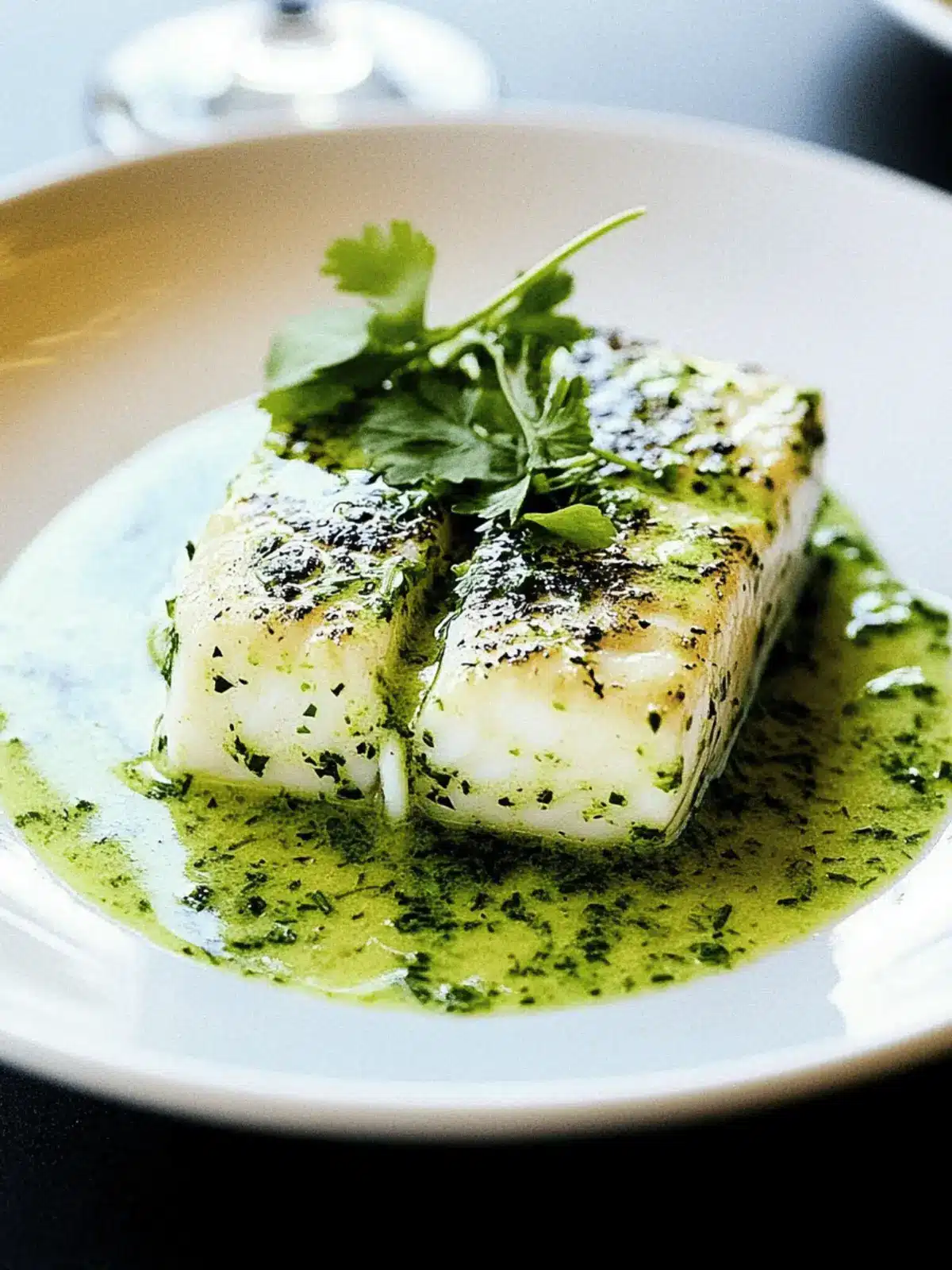
As the day winds down and the golden hues of sunset fill the sky, I often find myself craving something a bit more special than the usual weeknight fare. That’s when I turn to this delightful recipe for Roasted Halibut with Chervil Sauce. Inspired by the gentle, licorice-like notes of chervil, this dish brings elegance to the table without requiring hours of labor. Just imagine the flakiness of perfectly cooked halibut, paired with a rich, silky sauce that brings together the freshness of herbs and zesty lemon.
What I love most about this recipe is how effortlessly it impresses guests while remaining uncomplicated enough for an intimate family dinner. Picture serving this vibrant dish with steamed new potatoes or a crisp salad, creating a meal that feels both light and satisfying. Whether you’re an experienced chef or just starting out, this roasted halibut will elevate your weeknight dinners to something truly magnifique!
Why Will You Love Roasted Halibut?
Simplicity at Its Finest: This recipe comes together in just a few easy steps, making it perfect for home cooks of any skill level.
Flavorful and Elegant: The unique chervil sauce adds a touch of gourmet flair without the hassle, impressing your guests effortlessly.
Versatile Pairing Options: Serve it with steamed new potatoes or a refreshing salad for a complete meal that suits any occasion.
Health-Conscious Choice: Enjoy a dish that’s not only delicious but also packed with lean protein and omega-3 fatty acids.
Perfect for Gatherings: Whether it’s a casual family dinner or a chic gathering, this roasted halibut will be the star of your table!
Roasted Halibut Ingredients
For the Marinade
Chervil Adds a unique, mild licorice flavor to the dish; fresh chervil is highly recommended for the best taste.
Flat-Leaf Parsley Enhances flavor complexity; fresh parsley is preferable, but dried can be used in a pinch.
Freshly Ground Coriander Provides a warm, citrusy note; if unavailable, ground coriander can serve as a substitute.
Green Onion Offers a slight onion flavor to enhance the marinade; can be substituted with shallots if preferred.
Extra-Virgin Olive Oil Serves as the base for the marinade, lending richness; mild-flavored oils can be used if desired.
Lemon Juice Adds brightness and acidity to the dish; fresh lemon juice is ideal for the best flavor.
Kosher Salt Enhances all the flavors; adjust to taste based on your salt preference.
For the Fish
Halibut Fillets The main protein of the dish, providing a flaky texture when cooked correctly; other white fish like cod or snapper may substitute if necessary.
For the Sauce
Dry White Wine Reduces to create a rich sauce; choose a wine that you would enjoy drinking.
Shallots Provides sweetness and depth; can substitute with yellow onion if unavailable.
Unsalted Butter Adds creaminess to the sauce; allows for better flavor control, while salted butter can be used with adjustment.
For the Garnish
Additional Chervil Sprigs/Chive Flowers For a beautiful presentation, adding vibrancy to your plated roasted halibut.
How to Make Roasted Halibut with Chervil Sauce
Preheat the oven to 325 °F (163 °C). This initial step sets the stage for perfectly baked halibut, ensuring a tender and flaky texture.
Blend the marinade ingredients: In a food processor, combine chervil, flat-leaf parsley, coriander, green onion, olive oil, lemon juice, and salt. Mix until smooth and aromatic.
Marinate the halibut fillets: Place the fish in a shallow dish and pour the marinade over it, ensuring an even coating. Let it sit for about 15 minutes to absorb the flavors.
Arrange the halibut on a rimmed baking sheet: Place the marinated fillets skin-side down and bake for 12 to 14 minutes or until the fish flakes easily with a fork and appears slightly translucent in the center.
Prepare the sauce: While the halibut bakes, combine white wine, shallots, and lemon juice in a saucepan. Bring to a boil and reduce until the liquid is halved, about 4 minutes.
Whisk in butter: Remove the saucepan from heat and gradually add unsalted butter, one tablespoon at a time. Whisk until completely melted and well incorporated. Add the remaining chervil and briefly blend for a smooth finish.
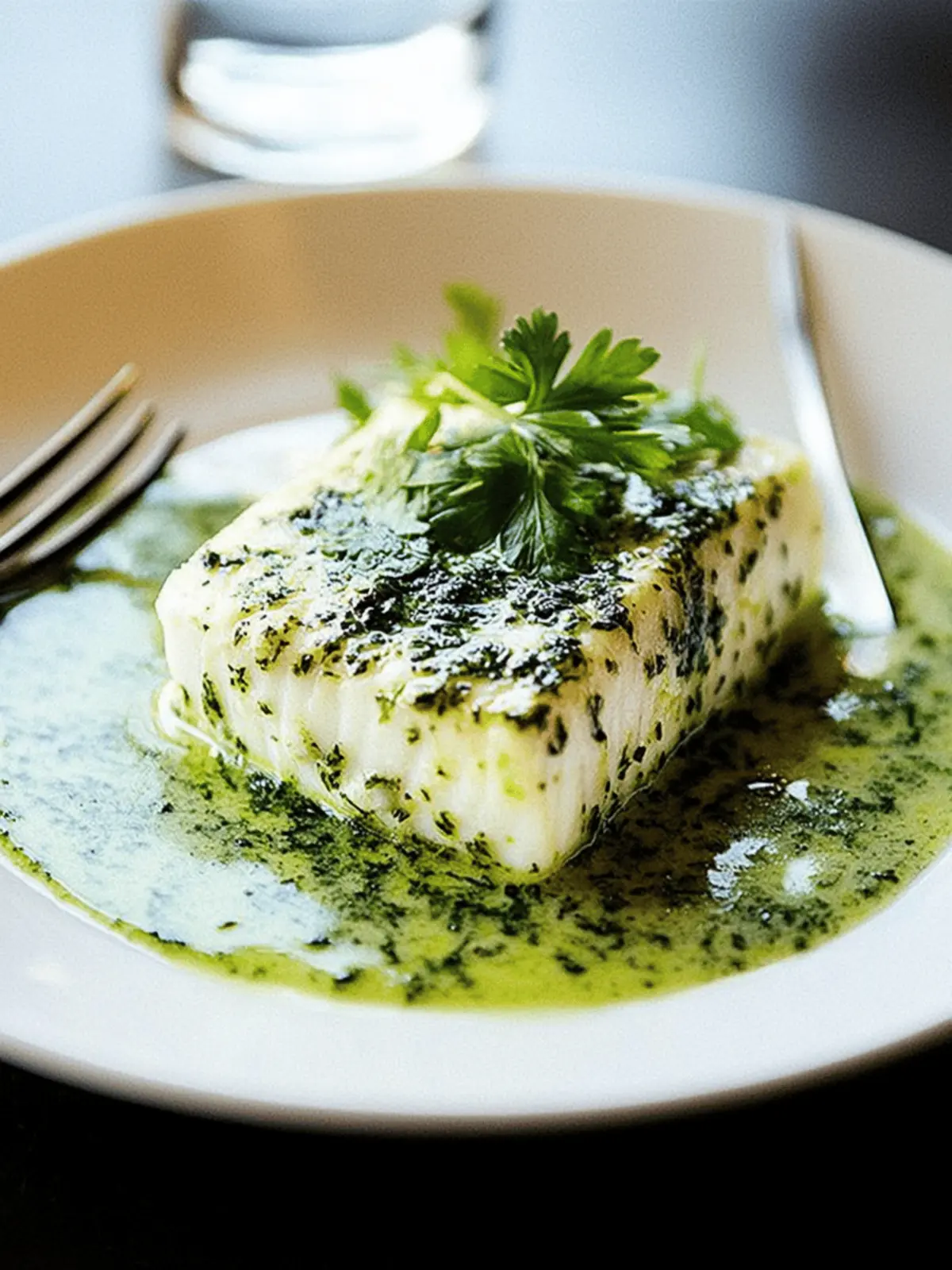
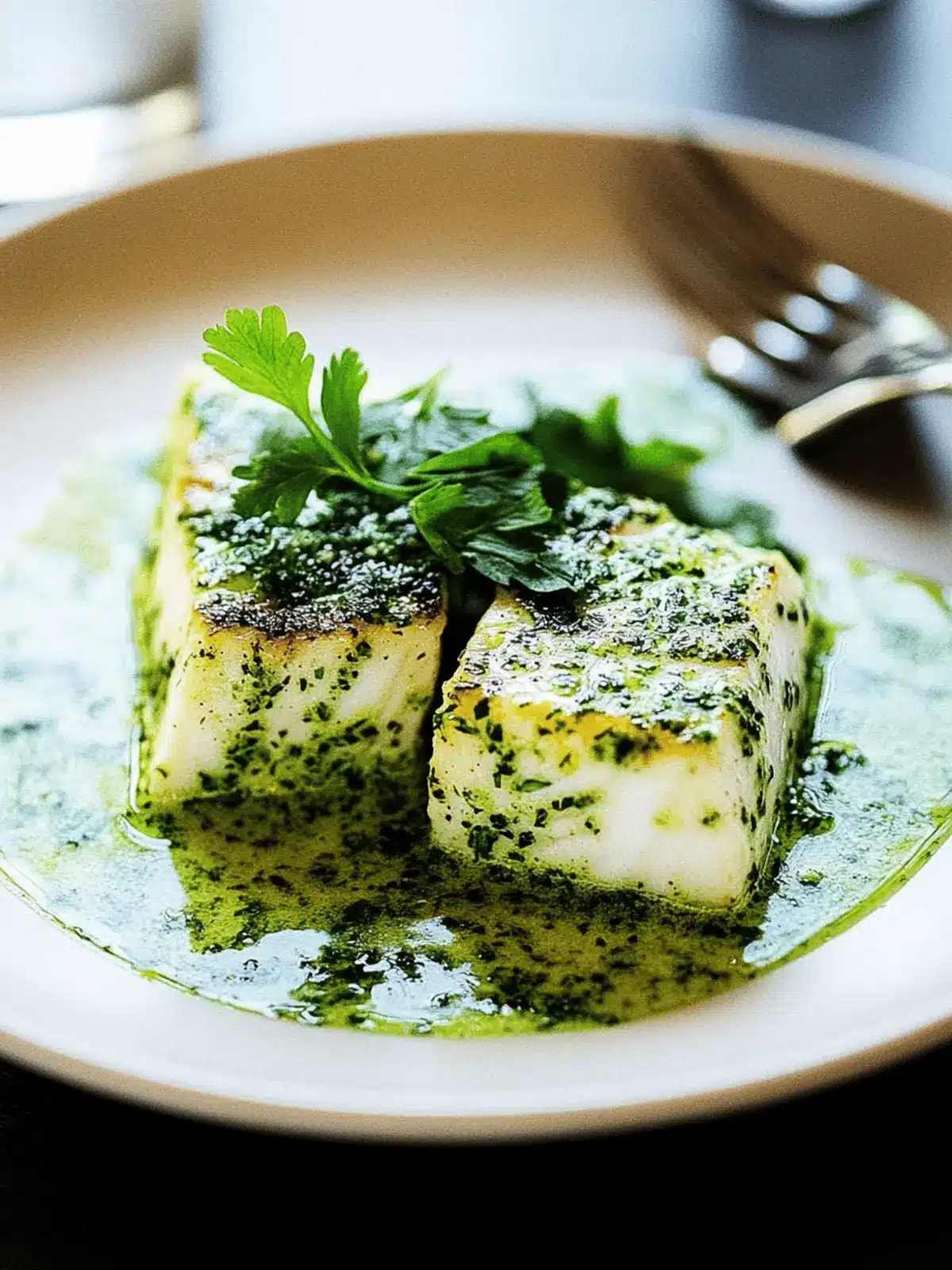
Serve the dish: In shallow bowls, spoon the rich chervil sauce and gently place the roasted halibut on top. Season with salt and garnish with fresh chervil sprigs or chive flowers for a beautiful presentation.
Optional: Serve with steamed new potatoes for a delightful pairing.
Exact quantities are listed in the recipe card below.
Tips for the Best Roasted Halibut
- Fresh Herbs Matter: Using fresh chervil and parsley will greatly enhance the flavor of your roasted halibut, making it more aromatic and vibrant.
- Watch the Timing: Keep a close eye on the halibut while it’s baking to avoid overcooking. Fish should flake easily but remain slightly translucent in the center.
- Perfect Sauce Texture: Allow the sauce to cool slightly before serving, letting the flavors meld and achieve a silky consistency to complement the fish perfectly.
- Marination Time: For maximum flavor, marinate the halibut for at least 15 minutes, but feel free to extend it for up to an hour if time allows!
- Customize Your Fish: If halibut isn’t available, feel free to substitute with firm white fish like cod or snapper while keeping the essence of this easy seafood recipe.
How to Store and Freeze Roasted Halibut
Fridge: Store any leftover roasted halibut in an airtight container in the fridge for up to 3 days to maintain freshness and flavor.
Freezer: If you have extra halibut, wrap it tightly in plastic wrap and then aluminum foil before placing in the freezer, where it can last for up to 2 months.
Reheating: For best results, reheat the halibut gently in the oven at 275 °F (135 °C) until warmed through; avoid high heat to prevent dryness.
Chervil Sauce Storage: Store leftover chervil sauce in a sealed container in the fridge for up to 5 days; gently reheat before serving.
Make Ahead Options
These Roasted Halibut with Chervil Sauce are perfect for meal prep enthusiasts looking to save time! You can marinate the halibut and refrigerate it for up to 24 hours in advance, allowing the flavors to deepen. The chervil sauce can also be prepared ahead of time and stored in an airtight container in the fridge for up to 3 days; simply reheat it gently before serving. To maintain the quality of the fish, ensure it s well-coated in the marinade and kept chilled until you’re ready to bake. When you’re ready to enjoy, just pop the marinated halibut in the oven and finish off with the heated chervil sauce for a delightful, stress-free meal that s just as delicious as fresh!
What to Serve with Roasted Halibut with Chervil Sauce?
This beautiful seafood dish deserves the perfect accompaniments to create a memorable dining experience.
Steamed New Potatoes: Their creamy texture complements the flakiness of the halibut while offering a comforting balance to the meal. The subtle flavors of the potatoes enhance the chervil sauce, allowing the herbs to shine.
Mixed Green Salad: A refreshing mix of greens tossed in a light vinaigrette adds a crisp contrast to the warmth of the roasted halibut. Add some sliced cucumbers and cherry tomatoes for vibrant color, which will make the meal feel lighter and more inviting.
Grilled Asparagus: This seasonal favorite brings a satisfying crunch and earthy flavor that pairs well with the delicate fish. Drizzle with a squeeze of lemon for an extra burst of brightness.
Quinoa Pilaf: A fluffy quinoa side dish, cooked with broth and herbs, adds a nutty bite that complements the richness of the chervil sauce. Loaded with whole grains, it provides health benefits without sacrificing flavor.
Dry White Wine: A chilled glass of Sauvignon Blanc or Pinot Grigio is a match made in heaven, enhancing the chervil sauce while accentuating the dish’s fresh flavors. Sip it alongside your meal for the ultimate culinary experience.
Lemon Sorbet: End the meal on a refreshing note with a light lemon sorbet. Its zesty flavor cleanses the palate, wrapping up your elegant dinner with a sweet, citrusy finish.
Roasted Halibut Variations
Customize your culinary experience with delightful twists and substitutions that inspire creativity and flavor.
Cod Substitute: Swap halibut for cod fillets for a milder taste while enjoying similar flaky textures. Cod s delicate essence pairs beautifully with the chervil sauce.
Chervil Alternative: Use fresh tarragon instead of chervil for a slightly different herbal note that s equally aromatic and delightful in the sauce.
Citrus Zing: Add zest from a lemon or orange into the marinade for a zesty finish that elevates the dish with refreshing brightness.
Spicy Kick: Amplify the flavor with a dash of crushed red pepper flakes in the chervil sauce for those who love a little heat in their meals.
Vegan Star: Replace the halibut with roasted cauliflower steaks topped with the chervil sauce for a hearty yet plant-based option that s just as satisfying.
Wine Choices: Experiment with different dry white wines like Sauvignon Blanc or Pinot Grigio for the sauce to see which flavor profile you love best.
Butter Swap: For a dairy-free version of the sauce, use coconut cream instead of butter, adding a subtle sweetness that pairs wonderfully with fish.
Texture Boost: Incorporate toasted pine nuts or almonds on top just before serving for an exciting crunch that enhances this elegant dish even further.
Roasted Halibut with Chervil Sauce Recipe FAQs
How do I choose the perfect halibut fillets?
Absolutely! Look for halibut fillets that are firm, have a bright white color, and are free of any dark spots or discoloration. Fresh halibut should also have a mild, ocean-like scent. If buying from a seafood market, asking about the catch date can also help. For the best flavor, aim for fillets that are at least 1-inch thick to ensure they cook evenly.
How should I store leftover roasted halibut?
Store any leftover roasted halibut in an airtight container in the fridge for up to 3 days. Make sure to let it cool to room temperature before sealing it to avoid condensation which can affect texture. When ready to eat, gently reheat it in the oven at a low temperature to keep the fish delicate and moist.
Can I freeze roasted halibut?
Yes, you can! To freeze roasted halibut, wrap the fillets tightly in plastic wrap, then in aluminum foil to protect against freezer burn. Store in an airtight container or freezer bag, and it will maintain its quality for up to 2 months. To reheat, thaw gently in the refrigerator overnight, then warm in the oven at 275 °F (135 °C) until heated through.
What if my halibut turns out dry?
Very good question! To avoid dry halibut, make sure you monitor the baking time closely. Fish can overcook quickly; it should flake easily yet remain slightly translucent in the center when done. If you find your fish is dry, you can serve it with extra chervil sauce to rehydrate and enhance flavor.
What if I m allergic to certain ingredients?
When making this roasted halibut recipe, it’s important to adjust for any allergies. For instance, if you’re allergic to fish, you could use grilled cauliflower steaks for a delightful vegan alternative. Additionally, if you have a sensitivity to herbs like parsley, fresh dill or basil can be a good substitute in both the marinade and sauce for a unique twist. Always check labels for any pre-packaged ingredients used.
Can I prepare the chervil sauce ahead of time?
Absolutely! You can prepare the chervil sauce in advance, up to 5 days ahead of your dinner. Just store it in a sealed container in the fridge. When ready to serve, gently reheat the sauce in a small saucepan over low heat, stirring until it’s warmed through, which helps bring back its rich, silky texture.