
Spicy Dakgalbi: Quick Korean Comfort for Cozy Nights
Last Updated on March 13, 2026 by Valdemar
The bustling streets of Seoul are alive with the enticing aroma of Spicy Dakgalbi, a dish that never fails to ignite my taste buds. It all started on a rainy night when I wanted something comforting yet exciting to warm my heart this vibrant stir-fry swiftly became a favorite. With tender chicken thighs, crisp vegetables, and chewy rice cakes dancing in a fiery sauce, this recipe transports me back to the heart of Korean cuisine.
What I love most about Spicy Dakgalbi is its incredible versatility. You can customize it with whatever veggies you have on hand, making it a perfect dish for busy weeknights or cozy gatherings with loved ones. In just 30 minutes, you can whip up this flavor-packed meal, ideal for sharing around the table or diving into solo after a long day. So grab your skillet and let s dive into the irresistible world of Dakgalbi you won t regret it!
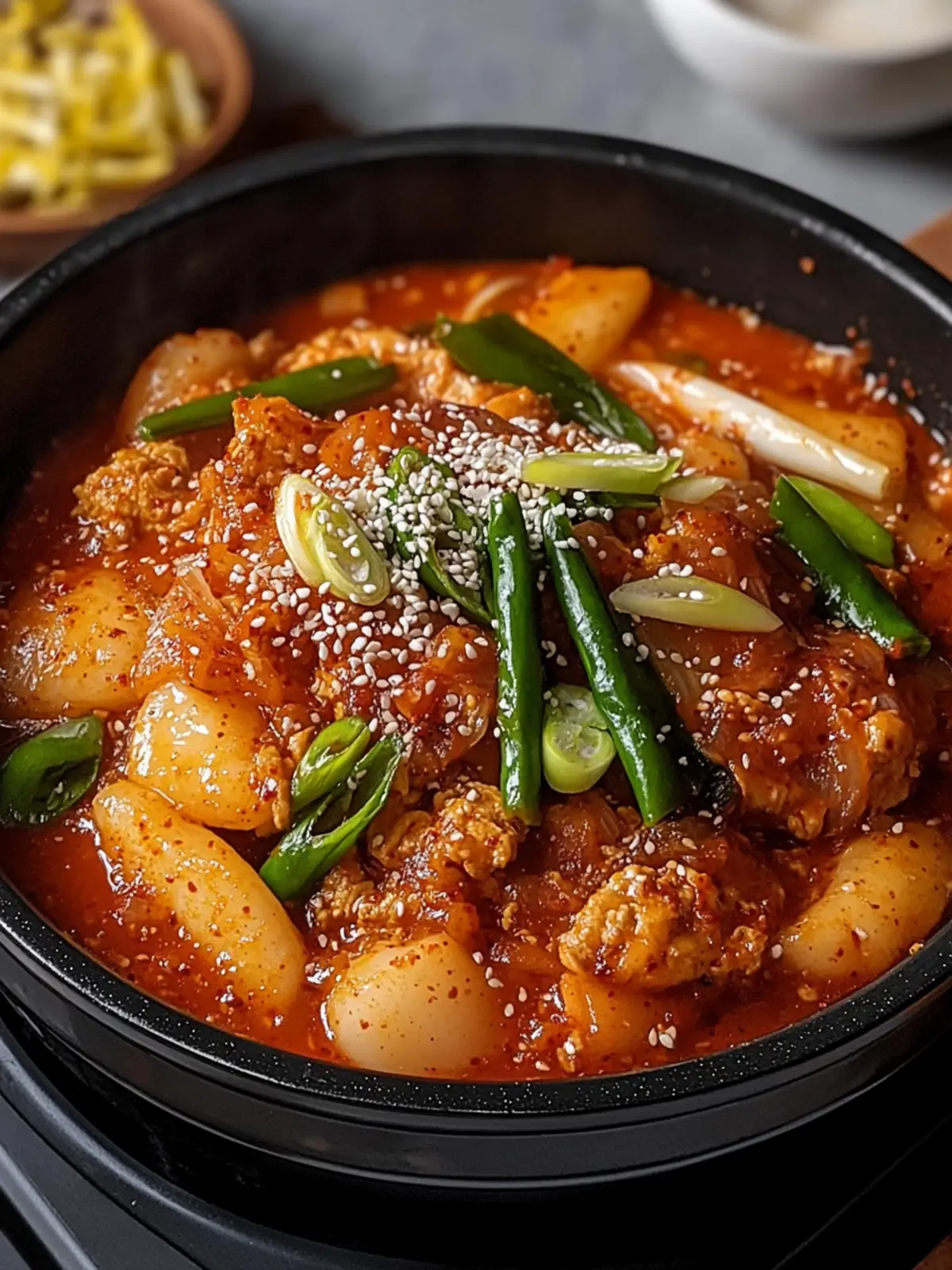
Why is Spicy Dakgalbi a Must-Try?
Flavor Explosion: This dish delivers an unforgettable punch of spicy and savory, thanks to the gochujang.
Quick and Easy: Ready in just 30 minutes, making weeknight dinners a breeze.
Customizable Delights: Use any veggies you have for a personalized touch perfect for picky eaters or those with a penchant for creativity.
Crowd Pleaser: Gather friends and family for a shared experience that s as fun to cook as it is to eat.
Nostalgic Comfort: Every bite transports you to the vibrant streets of Korea, warming both heart and soul.
Don t forget to check out tips on how to prepare your vegetables perfectly to enhance your dining experience!
Spicy Dakgalbi Ingredients
For the Chicken and Veggies
Chicken Thighs Tender protein providing flavor and juiciness. Substitution: Chicken breasts can be used, but thighs are recommended for moisture.
Onion Adds sweetness and aromatic flavor. Substitution: Green onions or shallots for milder sweetness.
Carrot Provides color and crunch. Substitution: Any crunchy vegetables, such as bell peppers.
Cabbage Offers bulk and texture. Substitution: Napa cabbage or bok choy can offer a different flavor profile.
Green Onions Garnish that contributes fresh flavor and color. Note: Chopped cilantro or parsley can also be used.
For the Flavor Base
Gochujang Key ingredient providing the dish’s spicy and savory flavor. Substitution: Sriracha or chili paste for milder heat.
Soy Sauce Adds depth of umami. Note: Use low-sodium for a healthier option.
Rice Wine or Mirin Enhances sweetness in the flavor profile. Substitution: White wine or apple cider vinegar, using less for acidity.
Sesame Oil Gives a rich, nutty flavor. No substitution recommended.
Sugar Balances the spiciness. Substitution: Honey or agave syrup can be used.
For Cooking and Seasoning
Vegetable Oil For frying, helps crisp the chicken. Substitution: Canola oil or sesame oil for different flavors.
Garlic Powder Enhances overall dish flavor. Substitution: Use fresh minced garlic for a stronger taste.
Ginger Powder Adds warmth and spice. Substitution: Fresh ginger (use three times more than powdered).
Black Pepper Provides mild heat. Note: White pepper can be used for a slightly different flavor.
For the Unique Texture
Rice Cakes (Tteok) Adds chewiness and absorbs flavor. Preparation: Soak in water for 30 minutes before use.
Sesame Seeds For garnish, adding texture and visual appeal. Can omit if not available.
How to Make Spicy Dakgalbi
Soak the Rice Cakes: Begin by soaking the rice cakes in warm water for 30 minutes. This will help soften them, ensuring they absorb all the delicious flavors later on. Drain once softened.
Make the Sauce: In a bowl, whisk together gochujang, soy sauce, rice wine, sesame oil, sugar, garlic powder, ginger powder, and black pepper until you achieve a smooth, vibrant sauce. This is the heart of your spicy bliss!
Saut the Chicken: Heat a splash of vegetable oil in a skillet over medium-high heat. Add the chicken thighs and stir-fry them for 5-7 minutes, cooking until they are nicely browned and cooked through. The sizzle will get your taste buds tingling!
Add the Vegetables: Toss in the chopped onion, carrot, and cabbage. Cook for another 3-4 minutes until they are tender yet still maintain a bit of crunch, adding vibrance and flavor to the dish.
Combine Rice Cakes and Sauce: Carefully add the soaked rice cakes and the savory sauce to the skillet. Gently mix until everything is well-coated in the sauce, making sure all those delicious flavors meld together.
Final Cooking: Let everything bubble together for an additional 3-5 minutes. This step lets the dish heat through and allows the sauce to thicken, creating a lush coating for the ingredients.
Garnish and Serve: Once everything is cooked to perfection, serve your Spicy Dakgalbi garnished with sesame seeds and chopped green onions for a pop of color and added flavor.
Optional: For a refreshing twist, serve with a side of kimchi or crunchy cucumber salad.
Exact quantities are listed in the recipe card below.
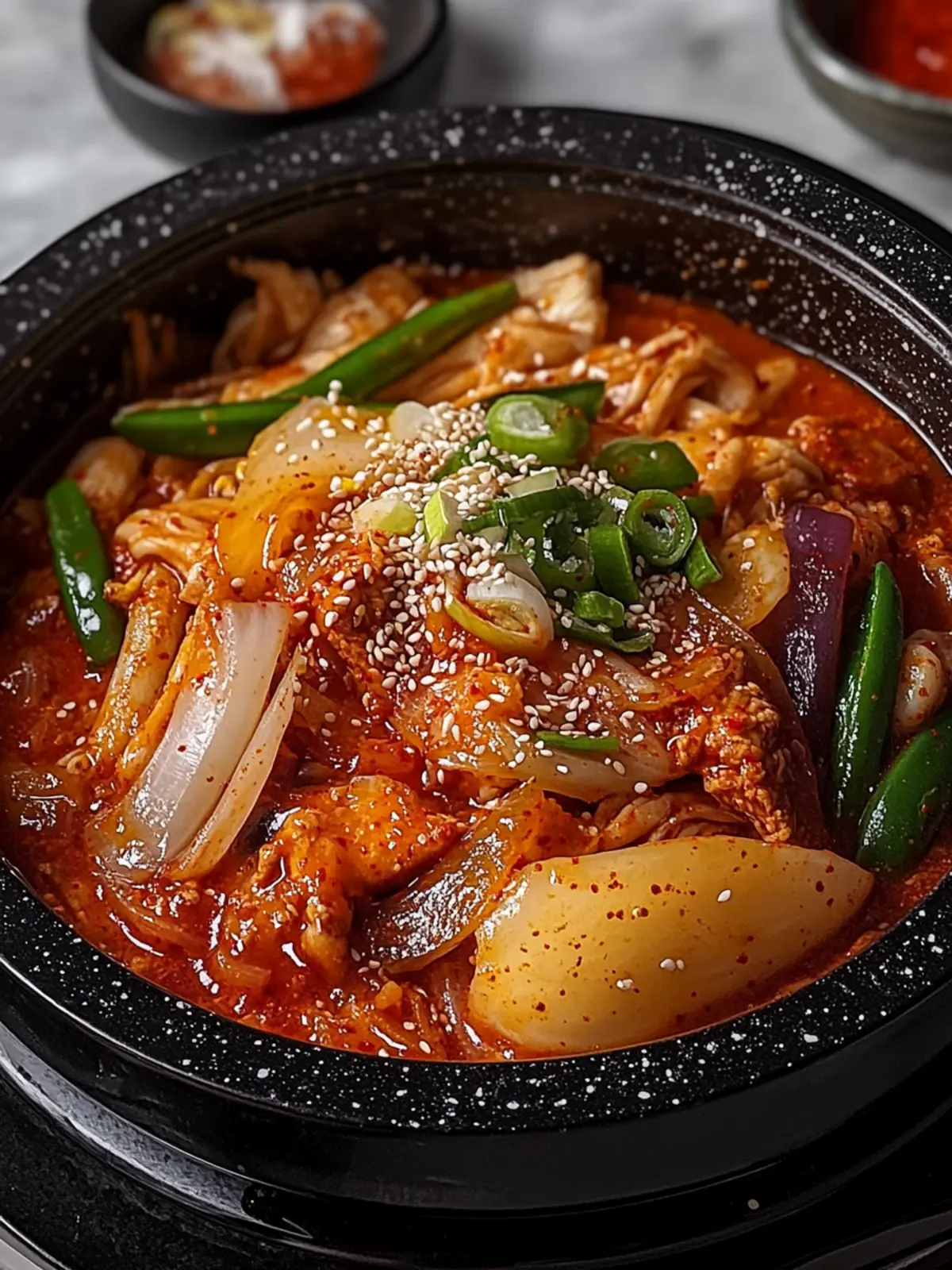
Expert Tips for Spicy Dakgalbi
Adjust Spice Levels: Tailor the amount of gochujang to suit your heat preference; start with less and add more to taste as you cook.
Uniform Sizing: Cut chicken and vegetables into consistent sizes for even cooking, ensuring every bite is perfectly tender.
Soaking Rice Cakes: Don t skip soaking the rice cakes, as this step is crucial for maintaining their chewiness and maximizing flavor absorption.
Don t Rush: Allow the final cooking time for the sauce to thicken; this enhances the dish’s overall texture and flavor of this Spicy Dakgalbi.
Leftover Magic: Transform any leftovers by frying them with rice for a delicious next-day meal; it s another crowd-pleaser!
What to Serve with Spicy Dakgalbi?
Pairing your meal just right enhances the experience and brings out the best in every dish, making it even more delightful.
Steamed Rice: A classic companion, its fluffy texture provides a wonderful balance to the spicy flavors of Dakgalbi, soaking up the rich sauce. This combination makes for a comforting and satisfying meal every time.
Lettuce Wraps: Fresh and crunchy, these wraps offer a light, refreshing contrast that cools the palate between spicy bites, making each mouthful enjoyable.
Kimchi: This traditional Korean side is packed with flavor and probiotics, cutting through the richness of the Dakgalbi while adding an extra layer of zest.
Spicy Cucumber Salad: A crisp salad with a hint of heat, it adds a refreshing crunch and a contrasting flavor profile that elevates the meal’s dynamics. Pairing this with your Dakgalbi makes each bite feel lively and balanced.
Beer or Soju: A cold drink such as light beer or traditional soju beautifully complements the heat of Spicy Dakgalbi, making for a perfect pairing that enhances your dining experience.
Mango Sticky Rice: For dessert, this sweet treat offers a delightful finish, balancing the meal’s spiciness with its creamy coconut milk and sweet mango.
Spicy Dakgalbi Variations
Customize your Spicy Dakgalbi to match your palate and pantry, creating a unique dish every time you cook!
- Vegetable Medley: Use seasonal veggies like zucchini, bell peppers, or broccoli for a fresh twist. The more color, the better!
- Protein Swap: Substitute chicken with shrimp or tofu for a delightful change. Both offer unique textures and flavors that blend beautifully.
- Spice Level: If you crave a kick, add fresh chili peppers or extra gochugaru for added heat. The dish will be as fiery as you want!
- Sweetness Adjustment: Switch sugar for maple syrup or brown sugar for a deeper caramel flavor. It adds loving hints of complexity.
- Low-Carb Option: Swap rice cakes for saut ed cauliflower rice for a lighter take without sacrificing flavor and fun.
- Pasta Alternative: Try using rice noodles instead of rice cakes for a different texture twist. They soak up the sauce excellently!
- Herb Infusion: Fresh herbs like Thai basil or cilantro can elevate the dish’s aromatics. Chop them finely and stir them in before serving.
- Saucy Variation: For a creamier sauce, stir in a spoonful of coconut cream for a rich, tropical vibe that complements the spices beautifully.
Make Ahead Options
Busy home cooks will love how easy it is to prepare Spicy Dakgalbi ahead of time! You can marinate the chicken and chop the vegetables up to 24 hours in advance, storing everything separately in the refrigerator. The sauce can also be made in advance and kept in an airtight container for up to 3 days. To maintain that delicious flavor and texture, ensure the rice cakes are soaked just before cooking to avoid them becoming mushy. Then, when you’re ready to enjoy your meal, simply heat a splash of oil in the skillet, stir-fry the marinated chicken for a few minutes, then add the vegetables, rice cakes, and sauce, cooking everything until heated through. You’ll have a delightful, stress-free dinner ready to share with loved ones!
How to Store and Freeze Spicy Dakgalbi
Fridge: Store leftover Spicy Dakgalbi in an airtight container for up to 3 days to maintain its freshness and flavor.
Freezer: For longer storage, freeze in a freezer-safe container for up to 2 months. Make sure it s tightly sealed to prevent freezer burn.
Reheating: When ready to enjoy again, gently reheat on the stovetop over low heat, adding a splash of water if needed to maintain moisture and avoid drying out.
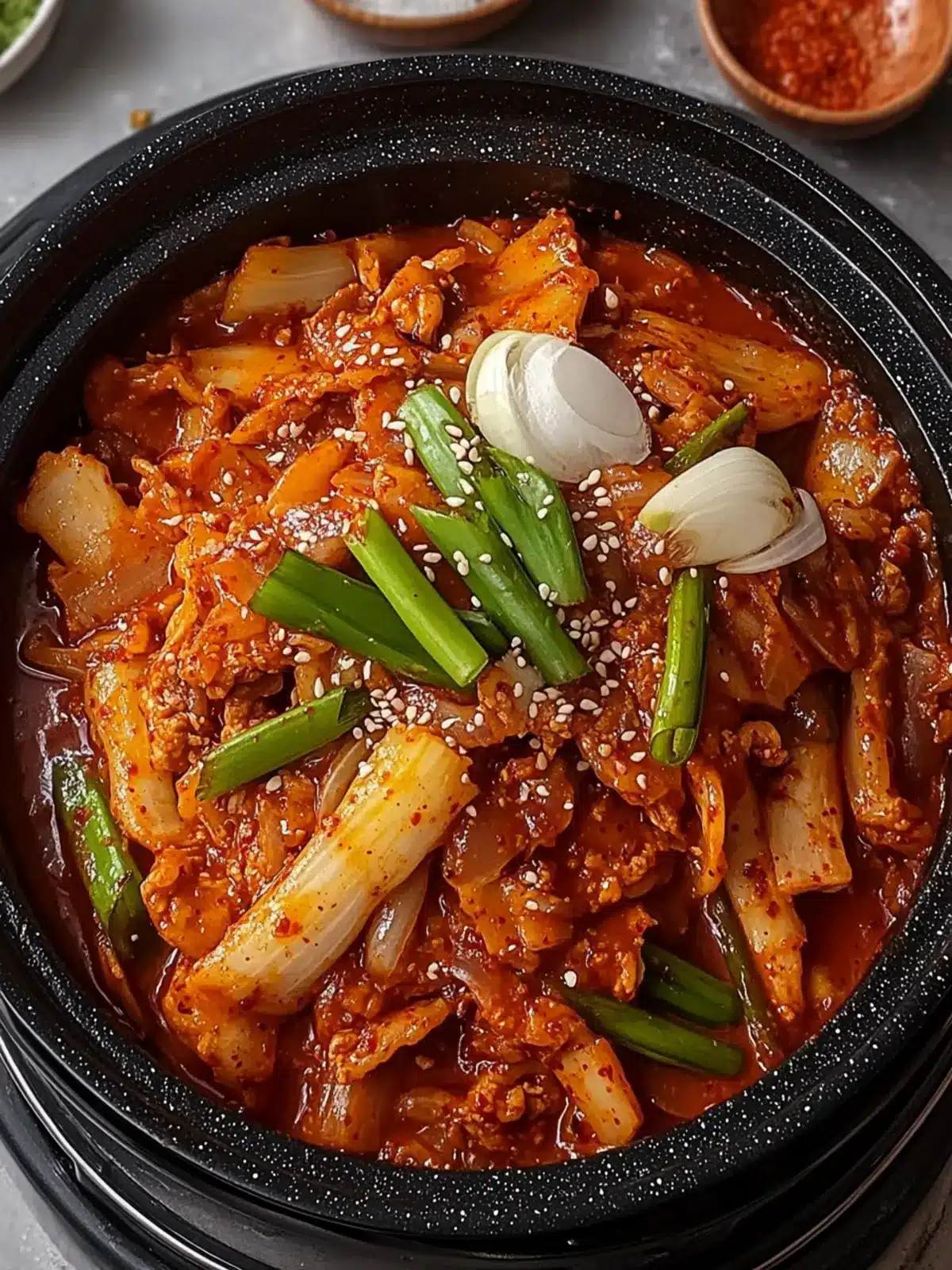
Spicy Dakgalbi Recipe FAQs
What should I look for when selecting chicken thighs?
Absolutely! When selecting chicken thighs for your Spicy Dakgalbi, look for pieces that are plump and have a rich, pink color without any dark spots. These signs indicate freshness and juiciness. Don t forget to check the expiration date!
How should I store leftover Spicy Dakgalbi?
Very! To store leftover Spicy Dakgalbi, transfer it into an airtight container and refrigerate. It ll stay fresh for up to 3 days. Just make sure it’s completely cooled before sealing to prevent condensation, which can make it soggy.
Can I freeze Spicy Dakgalbi?
Absolutely! To freeze, place the cooled Spicy Dakgalbi in a freezer-safe container or resealable bag, ensuring there s no air trapped inside to avoid freezer burn. It can be stored for up to 2 months. When you’re ready to enjoy it again, gently reheat it in a skillet over low heat with a splash of water to maintain moisture.
What if my rice cakes are too chewy?
No worries at all! If you find your rice cakes are too chewy after soaking, make sure they re not old fresh rice cakes should be soft and pliable. If they are still tough, try soaking them for a bit longer, approximately 45 minutes, in warm water, or steam them for 5-7 minutes which can help soften them up.
Can I customize the vegetables in my Spicy Dakgalbi?
Absolutely! The beauty of Spicy Dakgalbi lies in its flexibility. Feel free to swap the vegetables with what you have available. Broccoli, zucchini, or mushrooms can be excellent substitutes. Just remember to adjust cooking times for denser veggies add any that take longer to cook early in the process!
Are there any allergens I should be aware of?
Very! Gochujang contains soy and sometimes wheat, so if you’re allergic or gluten-sensitive, opt for a gluten-free version or look for a homemade recipe. Always check labels for allergens when using sauces or pre-made ingredients. Enjoy your cooking, and make it your own!