
Transform Chili Peppers into Flavorful Chili Powders Today
Last Updated on March 13, 2026 by Valdemar
The vibrant colors of freshly picked chili peppers never fail to ignite a culinary spark in my kitchen. One whiff of their earthy, spicy aroma, and I m transported to a world of flavor possibilities. I was feeling particularly adventurous when I decided to dehydrate some of these fiery beauties to create my very own chili powder. This method not only intensifies their flavor but also gives me a versatile seasoning perfect for everything from stews to sauces.
If you ve ever been left unsatisfied by store-bought spices, you ll understand my delight in crafting something so pure and homemade. With just a simple dehydrator and a bit of time, you can transform a few pounds of chili pepper pods into a pantry staple that s bursting with flavor and all your hard work. Let s dive into how to dehydrate chili peppers and make chili powder that will take your dishes to the next level!
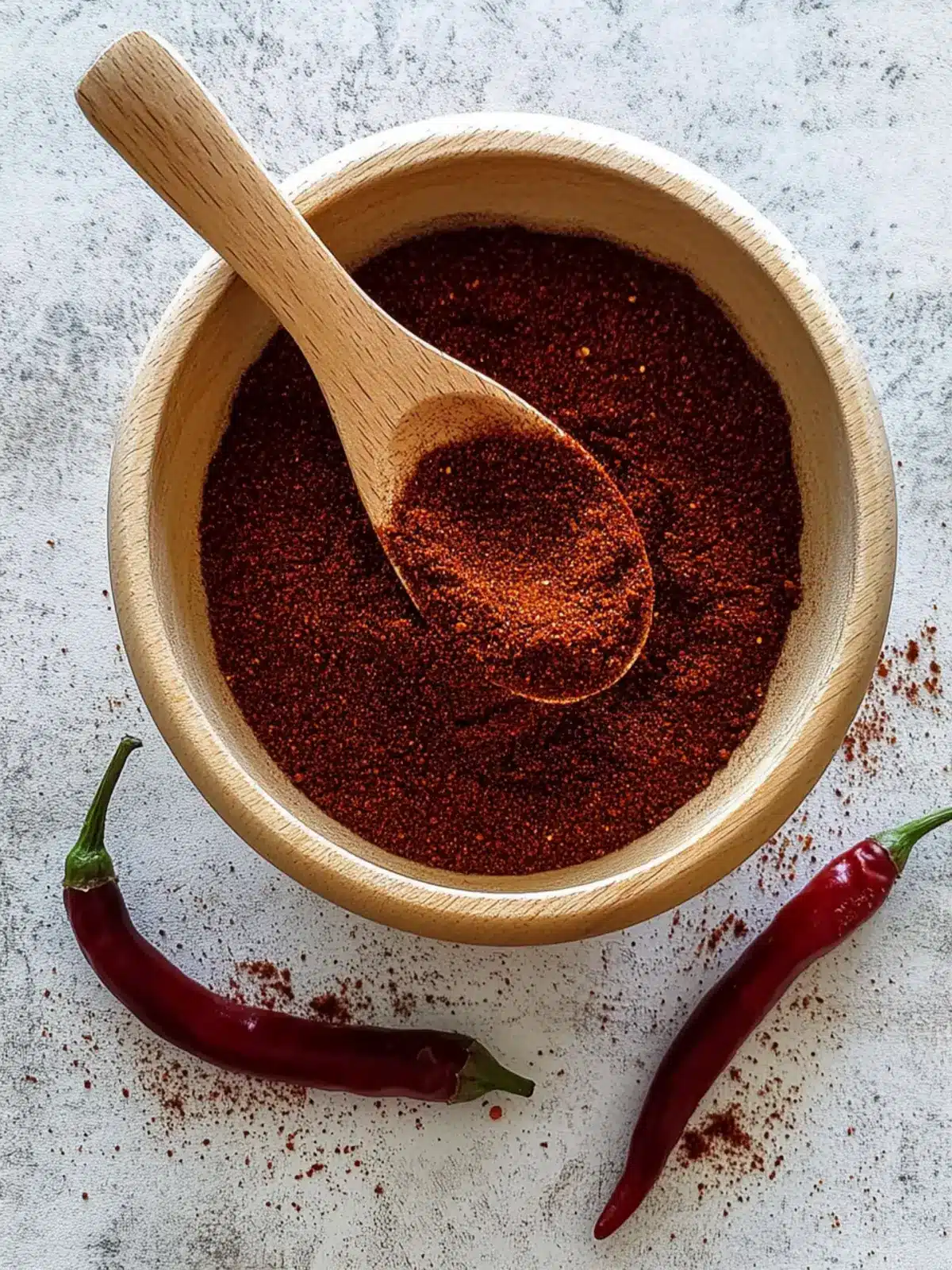
Why dehydrate chili peppers for chili powder?
Transforming fresh chili peppers into homemade chili powder is a culinary game changer.
Intense flavor: Dehydrating peppers enhances their natural heat and flavor, creating a robust seasoning.
Cost-effective: Say goodbye to overpriced spices homemade is not only fresher but also economical!
Customization: You control the spice level, crafting a blend that suits your palate perfectly.
Simplicity: With minimal steps and just a dehydrator, your kitchen becomes a hub of delicious possibilities.
Crowd-pleasing: Elevate your meals and impress family and friends with uniquely flavored dishes featuring your own chili powder!
Chili Peppers for Chili Powder
Gather these essentials to create your homemade chili powder from fresh chili peppers!
For the Peppers
1 pound fresh chili pepper pods Choose ripe, vibrant peppers for the best flavor and heat.
Optional Add-ins
Garlic powder Adds a delightful depth of flavor for a savory twist.
Onion powder Offers a sweet, aromatic note that complements the chili’s heat.
Smoked paprika Introduces a smoky richness, making your chili powder truly unique.
Using these fresh ingredients, you ll be well-equipped to hydrate chili peppers and make chili powder that enlivens every dish!
How to Make Chili Powder
Wash your chili peppers thoroughly under cool running water, ensuring they are clean. Pat them dry with a kitchen towel, as moisture will hinder the dehydration process. Look for vibrant peppers, discarding any that are soft or spoiled.
Slice off the stems while wearing gloves to protect your hands from the chili oils. For thicker peppers, cut them into rings, and halve the thinner ones. If you prefer whole peppers, remember they’ll take longer to dehydrate.
Arrange the sliced peppers on your dehydrator trays. Spread them out in a single layer to allow for proper airflow around each piece, ensuring consistent drying throughout the process.
Set your dehydrator to 135-140 degrees F, or follow the recommended temperature for your specific model. Allow the peppers to dehydrate for about 5 hours, checking periodically until they are brittle and completely dry.
Grind the dried peppers using a spice grinder once they are cool. Aim for a fine consistency to create the perfect chili powder. Store in airtight containers or baggies, keeping them in a cool, dark place to maintain freshness.
Optional: Try adding a pinch of smoked paprika for an extra layer of flavor.
Exact quantities are listed in the recipe card below.
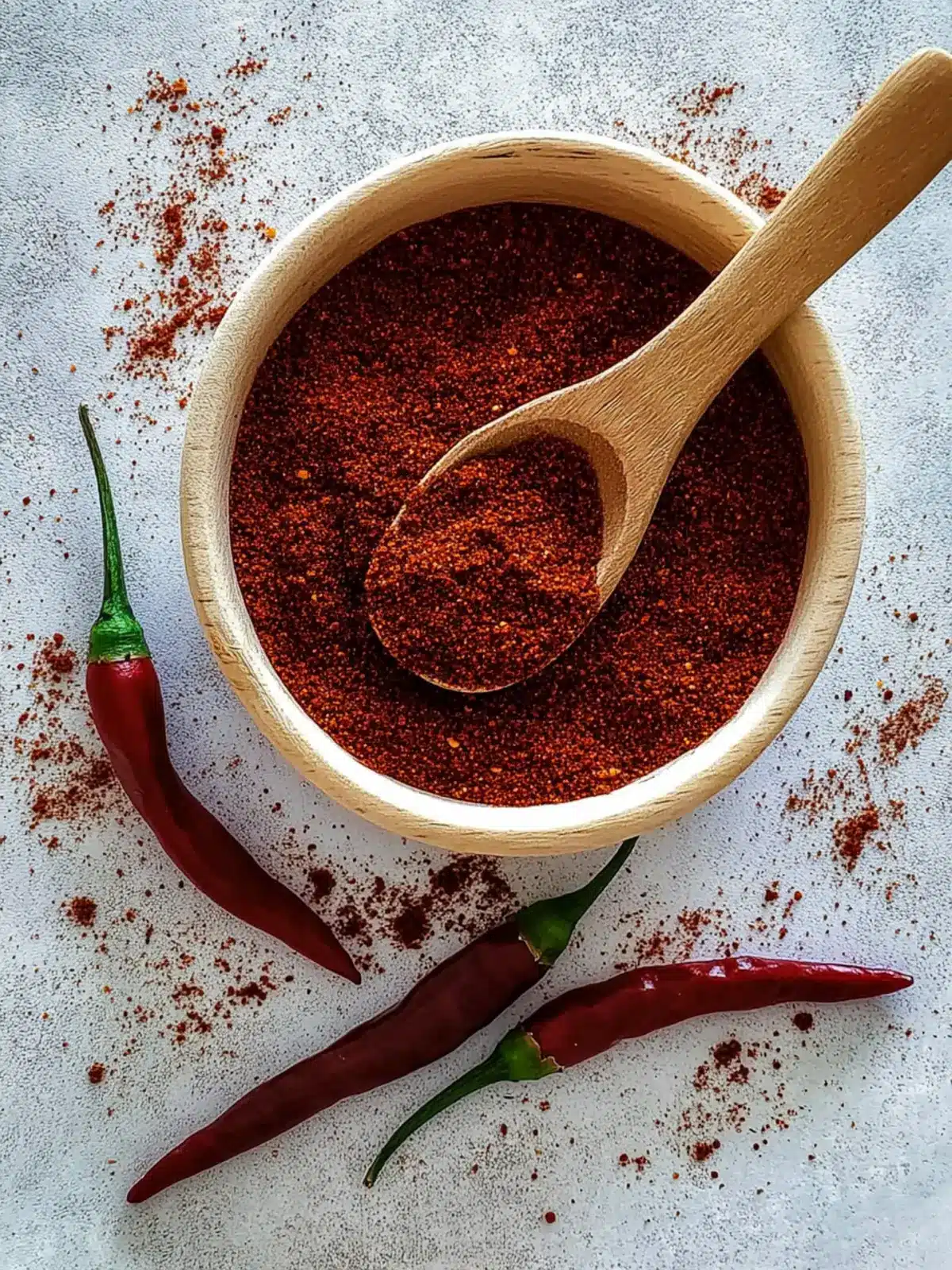
What to Serve with Dehydrate Chili Peppers to Make Chili Powder?
Creating a burst of flavor in your kitchen is easy with homemade chili powder, but what should you pair it with for a complete meal experience?
Savory Tacos: The vibrant chili powder enhances the filling, adding layers of depth and heat to every bite.
Creamy Guacamole: A sprinkle of chili powder brings a spicy kick to this classic dip, making it a perfect pairing with crunchy tortilla chips.
Zesty Grilled Veggies: Roasted or grilled veggies drizzled with olive oil and a hint of chili powder will bring out their natural sweetness and create a delightful texture.
Hearty Chili: Your homemade chili powder is the star ingredient in a comforting bowl of chili, enriching both flavor and aroma.
Smoky BBQ Sauce: Blend your chili powder into a homemade BBQ sauce, creating a smoky, spicy glaze that s irresistible on ribs or chicken.
Flavorful Rice: Stirring in chili powder while cooking rice infuses each grain with warmth, perfectly complementing any dish.
Refreshing Salads: Dusting your salad with chili powder adds an unexpected zing, spotlighting fresh greens and veggies beautifully.
Chili Flavored Cornbread: Incorporating chili powder into cornbread results in a delightful contrast of sweet and spicy that pairs wonderfully with chili or soups.
Fruity Cocktails: For a unique twist, rim your cocktail glasses with chili powder, giving a spicy edge to your favorite fruity drinks.
Chili Peppers Variations
Feel free to unleash your creativity and tailor this recipe to your taste buds! Unravel new flavors that will make your chili powder uniquely yours.
- Spicy Kick: Add crushed red pepper flakes to enhance the heat of your chili powder. Perfect for those who crave an extra fiery touch!
- Smoky Undertone: Incorporate smoked chili peppers, like chipotle, for a rich, smoky flavor that adds complexity to your dishes.
- Herb Infusion: Mix in dried herbs like oregano or thyme for a fragrant twist that will elevate your chili powder’s versatility.
- Sweet Balance: Blend in a pinch of sugar or brown sugar to create a sweetening contrast that beautifully complements the chili’s heat.
- Garlic Burst: Dehydrate minced garlic alongside your chili peppers to create a zesty garlic-chili powder that packs an umami punch!
- Nutty Addition: Grind some toasted cumin seeds with your dried peppers for a warm, earthy flavor that adds depth to any spice blend.
- Chipotle Twist: Use fresh chipotle peppers for a smoky, spicy chili powder that s perfect for barbecue sauces and marinades.
- Vegan Boost: Replace regular chili peppers with ghost peppers for a plant-based dusting that brings incredible heat across your favorite dishes!
With these variations, your homemade chili powder can be a delightful adventure, bringing flavor and excitement to every bite!
How to Store and Freeze Chili Powder
Fridge: Store your chili powder in an airtight container in the fridge for up to 6 months to maintain freshness and flavor, keeping it away from light and heat.
Freezer: For longer storage, place chili powder in a sealed freezer bag or container, where it can last up to a year without losing potency.
Room Temperature: Keep your homemade chili powder in a cool, dark pantry for about 3-6 months, but avoid areas near the stove or any heat source to preserve its flavor.
Reheating: When using stored chili powder, there’s no need to heat it; simply add it directly to your dishes for an instant flavor boost!
Expert Tips for Making Chili Powder
Choose Wisely: Select only the freshest chili peppers. Avoid any with soft spots or blemishes for the best flavor in your chili powder.
Slice Strategically: Remember to slice thicker peppers into rings and thinner ones in half. This ensures even dehydration and prevents mushy spots.
Space It Out: Don t overcrowd your dehydrator trays! Proper spacing allows for maximum airflow, resulting in evenly dried chili peppers.
Monitor Drying: Check your peppers periodically to avoid over-drying. Once brittle, they re ready to be ground into a fine chili powder.
Store Smart: Keep your homemade chili powder in airtight containers in a cool, dark place to maintain its vibrant flavor and potency.
With these expert tips, you ll successfully dehydrate chili peppers and make chili powder that enhances your culinary creations!
Make Ahead Options
Transforming fresh chili peppers into flavorful chili powder is not just a culinary delight; it s also a smart way to save time on busy days! You can wash and dry the chili peppers up to 24 hours in advance; simply refrigerate them in an airtight container to maintain their vibrant flavor. Additionally, slice the peppers according to your preference beforehand this can be done a day ahead for easy meal prep. When you re ready to make chili powder, remove them from the fridge, dehydrate as directed, and grind them into a fine powder. With these tips, you’ll enjoy homemade chili powder with minimal effort, ensuring it s just as delicious as if you made it fresh.
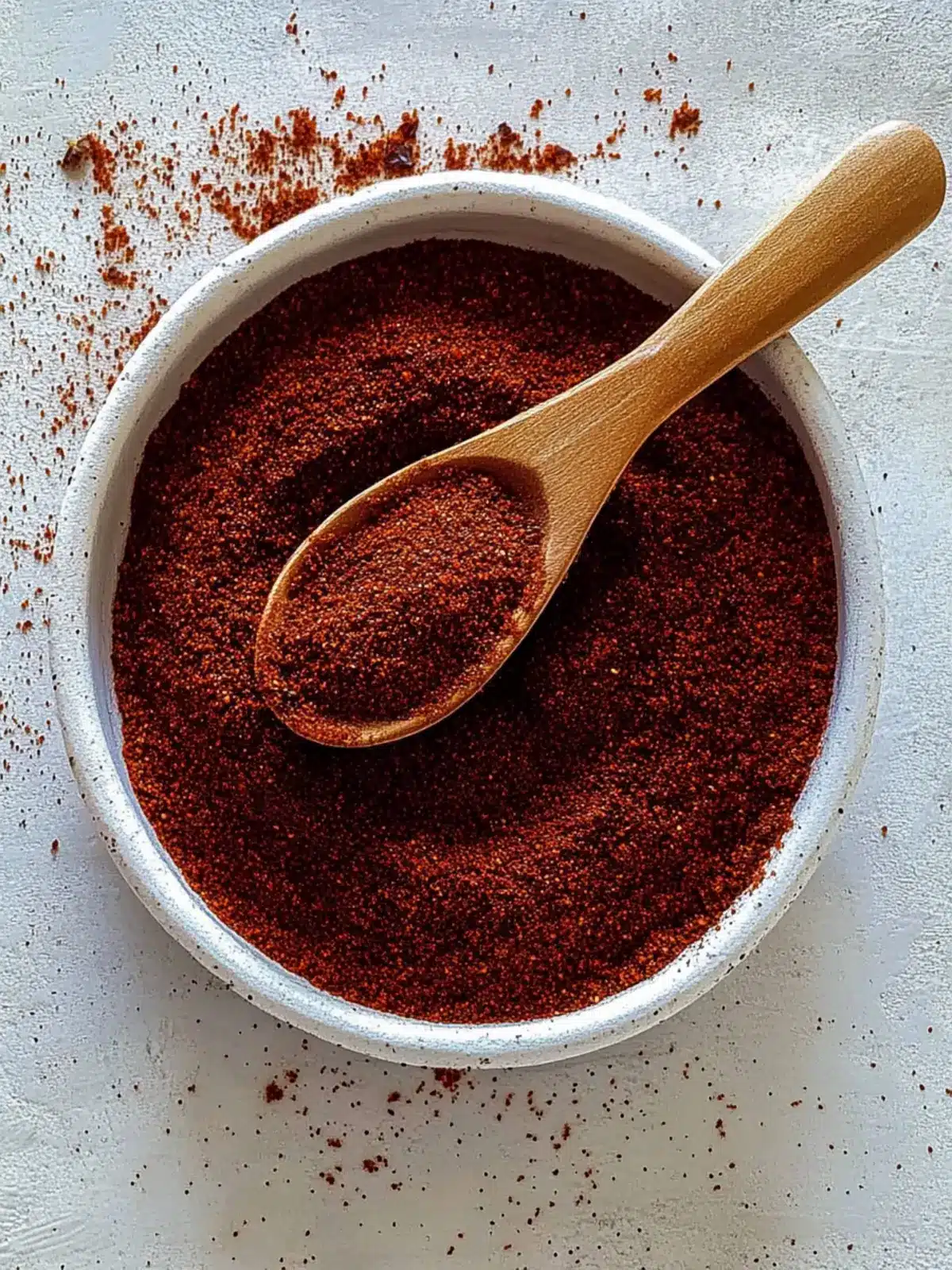
Dehydrate Chili Peppers to Make Chili Powder Recipe FAQs
How do I know when my chili peppers are ripe enough for dehydration?
Absolutely! Look for chili peppers that are vibrantly colored and firm to the touch. They should be free of blemishes or soft spots, as these indicate overripeness or spoilage. A good rule of thumb is to choose peppers that have a glossy skin, signaling they’re juicy and flavorful.
What s the best way to store my dehydrated chili powder?
I often recommend storing your homemade chili powder in airtight containers placed in a cool, dark pantry for about 3-6 months. To maximize freshness, keep it away from heat sources like the stove or oven. If you prefer, refrigerate it in an airtight container for up to 6 months.
Can I freeze chili powder for long-term storage?
Very! To freeze your homemade chili powder, simply place it in a sealed freezer bag, pressing out as much air as possible, or an airtight container. Label it with the date, and it can last up to a year! Just remember to let it thaw at room temperature before adding it to your dishes.
What if my dehydrated chili peppers are not drying evenly?
If you notice uneven drying, check to ensure that your dehydrator trays are not overcrowded. Proper spacing is crucial for airflow, allowing all pieces to dry evenly. Additionally, if you’re working with different pepper sizes, consider slicing them more uniformly or drying them in batches to ensure consistent dryness.
Are there any allergies I should be aware of with chili peppers?
Indeed! While chili peppers are generally safe for most people, those with nightshade allergies should exercise caution. It s always wise to inspect your ingredients, especially if you re cooking for others, and consider any personalized dietary restrictions present in your home.
Can I use this method with other types of peppers as well?
Absolutely! You can use this dehydration method for a variety of peppers. Just keep in mind that different peppers will have varying moisture content and heat levels. For example, bell peppers will take less time than hotter varieties like jalape±os adjust your dehydration time accordingly for perfect results!